Choosing the right RV is essential for making your travel experience enjoyable and stress-free. If you're exploring the world of motorhomes, you've likely come across Class B and Class C RVs. While they share some similarities, these two categories cater to different lifestyles and travel needs.This guide will break down the key differences between Class B and Class C RVs, helping you decide which is the better fit for your adventures. Whether you're seeking a nimble camper for city travel or a spacious motorhome for family road trips, we’ve got you covered.
What Is a Class B RV?
Class B RVs, often called camper vans, are the smallest type of motorized RVs. Built on a standard van chassis, they offer a compact, streamlined design ideal for minimalists or travelers who prioritize ease of movement.
Key Features of Class B RVs
Compact Size: Typically 18–24 feet long, allowing you to park in regular spaces and maneuver through tight city streets.
Fuel Efficiency: Ranges from 18–25 mpg, making it a cost-effective option for frequent travelers.
Basic Amenities: Includes a small kitchen, bathroom, and sleeping area, optimized for efficient living.
Perfect for Couples or Solo Travelers: Best suited for short trips or weekend getaways where space isn’t a primary concern.
Use Case for Class B RVs
Imagine you're heading on a weekend getaway to explore Southern California’s beaches or urban hotspots. A Class B RV can easily navigate crowded streets, park in smaller spaces, and keep your trip simple and stress-free.
What Is a Class C RV?
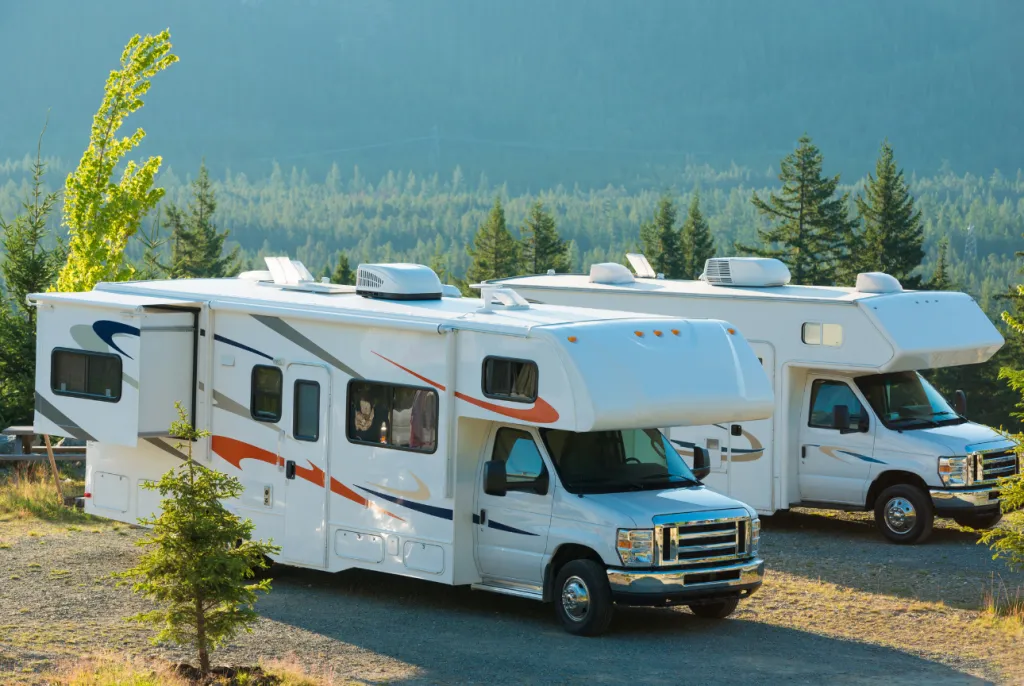
Class C RVs are larger than Class B models and are built on a truck or van chassis with an over-cab sleeping area. They balance size and amenities, making them versatile for families or travelers seeking more comfort.
Key Features of Class C RVs
Medium Size: Typically 22–31 feet long, offering significantly more interior space than a Class B RV.
Sleeping Capacity: Accommodates 4–8 people, with overhead bunks, fold-out sofas, and dinettes that convert into beds.
Enhanced Amenities: Includes a full kitchen, bathroom, and often slide-outs for extra space.
Designed for Long Trips: Provides enough storage and comfort for extended road trips with family or friends.
Use Case for Class C RVs
If you’re planning a two-week family road trip through national parks, a Class C RV offers the space, sleeping arrangements, and amenities to make the journey enjoyable for everyone.
Key Differences Between Class C and Class B RVs
Here’s a quick breakdown of how Class C and Class B RVs compare:
Feature
Class B RVs
Class C RVs
Size
Compact (18–24 feet)
Medium (22–31 feet)
Sleeping Capacity
2–4 people
4–8 people
Fuel Economy
18–25 mpg
8–15 mpg
Amenities
Basic essentials
Full kitchen, bathroom, and living
Maintenance Costs
Lower maintenance and storage fees
Higher due to size and complexity
Price Range
$60,000–$130,000
$85,000–$200,000
Choosing the Right RV for You
When deciding between a Class B and Class C RV, consider these factors:
Group Size: Class B RVs are ideal for solo travelers or couples, while Class C RVs are better suited for families or groups.
Trip Length: For short, city-based trips, a Class B RV is perfect. For extended road trips, a Class C RV offers more comfort.
Budget: Class B RVs are generally more affordable upfront and offer better fuel economy. However, if you value space and features, investing in a Class C RV might be worthwhile.
Driving Experience: Class B RVs are easier to drive, park, and store, making them a great choice for beginners.
FAQs About Class B and Class C RVs
Which Is Easier to Drive: Class B or Class C?
Class B RVs are easier to drive and park due to their smaller size, making them more beginner-friendly.
Can Class C RVs Be Used for Urban Travel?
Class C RVs are bulkier and harder to maneuver in tight spaces, so they’re better suited for open roads and campgrounds.
What’s Better for Family Travel: Class B or Class C?
Class C RVs are better for families, thanks to their larger sleeping capacity and enhanced amenities.
How Do Maintenance Costs Compare?
Class B RVs typically cost less to maintain and store than Class C RVs, making them a budget-friendly option for occasional travelers.
Conclusion
Class B and Class C RVs each have their advantages, depending on your travel style, group size, and budget. Class B RVs are compact and efficient, perfect for quick trips or solo travelers. Class C RVs, on the other hand, provide space and comfort, making them ideal for families or extended road trips.No matter which RV you choose, Smoke Tree RV Park is the perfect place to park during your journey. Our full hookups, dog park, and gated community make every stay comfortable and convenient. Contact us to learn more about our amenities or to reserve your spot today!