





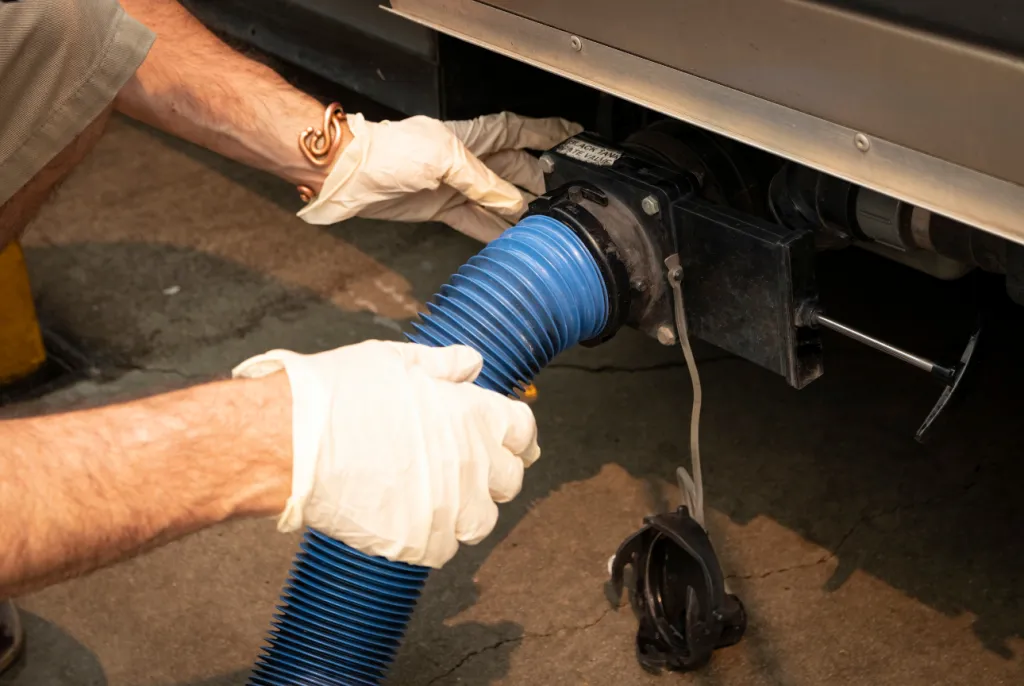
How to Avoid Calcium Buildup in RV Hose
Calcium buildup in your RV hose is a common issue, especially if you travel in areas with hard water. Over time, minerals like calcium and magnesium collect inside the hose, leading to reduced water flow, clogged connections, and potential damage to your RV’s plumbing system.
Luckily, there are effective ways to prevent this problem and keep your water system running smoothly. From investing in the right tools to adopting simple cleaning routines, here’s everything you need to know to protect your RV hose from calcium buildup.
Back to BlogWhy Does Calcium Buildup Matter?
Calcium buildup doesn’t just clog your RV hose; it can also create larger problems for your water system. Over time, it can strain your RV’s water pump, damage fittings, and reduce the lifespan of your hose. Additionally, mineral deposits can affect water appliances like faucets and water heaters, causing inefficiency and costly repairs. Testing campground water for hardness with inexpensive water strips can help you determine if preventive measures are needed. Knowing the water quality before connecting your hose is key to avoiding problems.Tips to Prevent Calcium Buildup in RV Hoses
Preventing calcium buildup in your RV hose starts with the right tools and consistent maintenance. Here’s how:1. Use an Inline Water Filter
Inline water filters are one of the easiest ways to prevent calcium buildup. These filters attach directly to your RV hose and remove impurities, including calcium and magnesium, from the water supply.- Look for filters labeled "sediment reduction" or "hard water treatment."
- Popular brands like Camco and Clearsource offer effective, easy-to-install options.
- Replace filters as recommended (usually every 3–6 months) to maintain performance.
2. Invest in a Portable Water Softener
A portable water softener is a game-changer for RVers who frequently encounter hard water. These devices use ion exchange to remove calcium and magnesium from the water, replacing them with sodium or potassium.- Choose a softener that’s compact and easy to regenerate with table salt.
- Models like the On The Go Portable Water Softener are designed specifically for RV use and can handle high-capacity needs.
3. Flush Your Hose Regularly
Even with preventive measures, small mineral deposits can accumulate over time. Regular flushing keeps your hose clear and extends its lifespan.- Disconnect the hose and rinse it thoroughly with clean, filtered water every 1–2 weeks.
- For deeper cleaning, use a vinegar solution (equal parts white vinegar and water). Fill the hose, let it sit for 20–30 minutes, and flush with clean water.
4. Store Your Hose Properly
Improper storage can allow water to sit in the hose, encouraging calcium deposits to harden. After each use:- Drain the hose completely to remove all standing water.
- Coil it neatly and store it in a cool, dry place. Consider using hose bags or containers designed for RV storage to keep your equipment clean and organized.
5. Avoid Using Hard Water Whenever Possible
If you know the campground’s water supply is hard, take steps to minimize exposure.- Fill your freshwater tank with softened or filtered water before arrival.
- Use a softener or filter at the campground to treat the water before it enters your system.
Signs of Calcium Buildup in RV Hoses
Detecting calcium buildup early can save you from more significant issues. Watch for these signs:- Reduced water pressure or flow
- White, chalky residue around hose connections
- Stiff or hardened hose sections
- Difficulty draining water from the hose
Conclusion: Keep Your RV Hose Calcium-Free
Preventing calcium buildup in your RV hose is essential for maintaining a clean and efficient water system. By using tools like inline filters and portable water softeners, adopting regular cleaning habits, and being mindful of water quality, you can avoid unnecessary repairs and enjoy a hassle-free RV experience. Ready for your next adventure? At Smoke Tree RV Park, we offer clean, reliable water hookups to keep your RV running smoothly. Contact us today to book your spot!FAQs
1. What’s the best RV hose for hard water areas? Look for hoses made with anti-scaling materials or those specifically designed for high-mineral water. Brands like Zero-G and Camco offer durable, kink-free hoses that resist buildup. 2. Can I prevent calcium buildup without a filter or softener? Yes, but it requires frequent cleaning. Flush your hose regularly with clean water and descale using a vinegar solution as needed. 3. How do I know if campground water is hard? Use water testing strips to measure hardness. Many campgrounds post information about their water supply, or you can ask park staff directly. 4. Is calcium buildup harmful to my RV? Yes, it can reduce water flow, strain your water pump, and cause long-term damage to plumbing fixtures and appliances.Most Popular

Top 10 Things New RV Owners Should Know
Get Your RV Winter-Ready with These Simple Hacks
Is a 30-Amp RV Hookup Right For You?

How to Celebrate Christmas in an RV (and make this a memorable experience)
Most Popular

The Pros of RV Life in 2025
How to Celebrate Christmas in an RV (and make this a memorable experience)
Top 10 Things New RV Owners Should Know